

Deficits remain obstacle for new EU members
"Most of the accession countries have made big progress in bringing down inflation and reducing their budget deficits," Padoa-Schioppa told the business daily Handelsblatt.
"Some of them have good chances of meeting the convergence criteria in time to adopt the euro at an
Only users who have a paid subscription or are part of a corporate subscription are able to print or copy content.
To access these options, along with all other subscription benefits, please contact info@centralbanking.com or view our subscription options here: www.centralbanking.com/subscriptions
You are currently unable to print this content. Please contact info@centralbanking.com to find out more.
You are currently unable to copy this content. Please contact info@centralbanking.com to find out more.
Copyright Infopro Digital Limited. All rights reserved.
As outlined in our terms and conditions, https://www.infopro-digital.com/terms-and-conditions/subscriptions/ (point 2.4), printing is limited to a single copy.
If you would like to purchase additional rights please email info@centralbanking.com
Copyright Infopro Digital Limited. All rights reserved.
You may share this content using our article tools. As outlined in our terms and conditions, https://www.infopro-digital.com/terms-and-conditions/subscriptions/ (clause 2.4), an Authorised User may only make one copy of the materials for their own personal use. You must also comply with the restrictions in clause 2.5.
If you would like to purchase additional rights please email info@centralbanking.com
More on Monetary Policy

Adapting to AI crucial to central banks’ credibility, Panetta says
Bank of Italy governor tells Kyiv conference tech-driven income shifts will alter inflation

UK mortgages out of sync with BoE policy
Average two-year rates for home loans have risen since March, despite BoE’s extended pause
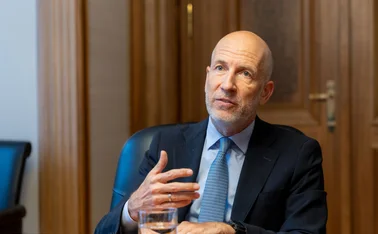
The OeNB’s Martin Kocher on the Eurosystem’s inflation outlook
The Austrian governor speaks about ECB succession, forward guidance and eurobonds, and access to cash and the digital euro

BoJ raises rates to 31-year high
Ueda says ‘policy phase has changed’ and focus now is on ensuring inflation does not exceed 2%

Czech Republic extends pause while Moldova raises rates
CNB leaves door open to rate rise while Moldova presses on with third hike since May
BoE holds rates and reveals talks to sell gilts to Treasury
Economists voice concerns over blurred fiscal and monetary policies
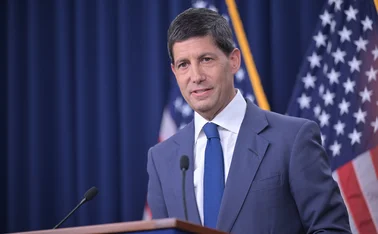
Federal Reserve delivers first rate hike since 2023
FOMC expects policy to remain around 4.1% for 2026–27 and inflation to reach 2% by 2029

Geopolitical tensions raising rate hike expectations – BIS
Quarterly review highlights new communication challenges for central banks