

Egypt sharply cuts rates as inflation slides
Central bank resumes easing cycle, reducing rates by 150 basis points
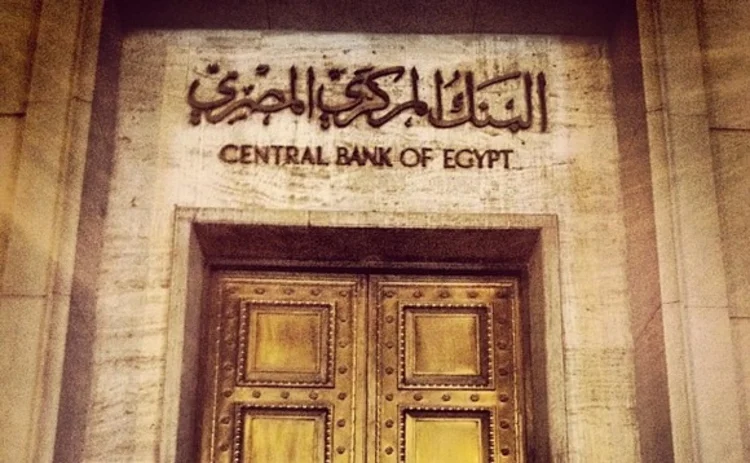
The Central Bank of Egypt implemented a sharp reduction of interest rates on August 22, cutting rates 150 basis points due to lower inflation.
As a result, the overnight deposit rate now stands at 14.25%, the overnight lending rate at 15.25%, and the rate on the main operations at 14.75%.
The monetary policy committee stressed “annual headline and core inflation continued to decline to record 8.7% and 5.9% in July 2019, respectively, the lowest rates in almost four years”. The policy statement
Only users who have a paid subscription or are part of a corporate subscription are able to print or copy content.
To access these options, along with all other subscription benefits, please contact info@centralbanking.com or view our subscription options here: www.centralbanking.com/subscriptions
You are currently unable to print this content. Please contact info@centralbanking.com to find out more.
You are currently unable to copy this content. Please contact info@centralbanking.com to find out more.
Copyright Infopro Digital Limited. All rights reserved.
As outlined in our terms and conditions, https://www.infopro-digital.com/terms-and-conditions/subscriptions/ (point 2.4), printing is limited to a single copy.
If you would like to purchase additional rights please email info@centralbanking.com
Copyright Infopro Digital Limited. All rights reserved.
You may share this content using our article tools. As outlined in our terms and conditions, https://www.infopro-digital.com/terms-and-conditions/subscriptions/ (clause 2.4), an Authorised User may only make one copy of the materials for their own personal use. You must also comply with the restrictions in clause 2.5.
If you would like to purchase additional rights please email info@centralbanking.com
More on Monetary policy decisions

Uruguay raises rates for first time in 18 months
Central bank says hike is ‘proactive’ measure to mitigate risk of inflationary pressures spilling over

Peru unexpectedly holds rates amid rising inflation
BCRP maintaining ‘hawkish stance’ by leaving open possibility of rate adjustment, economist says

Colombia delivers unexpected 25bp rate hike
Move marks ‘fourth consecutive policy surprise’ in tightening cycle, economist says

Sri Lanka holds rates as inflation remains high
CBSL says medium-term expectations remain ‘broadly anchored’ around target

China unveils targeted rate cut and mortgage subsidies
PBoC eases policy for infrastructure lenders and ups support for tech innovation

Bank of Jamaica hikes rates by 50bp
Central bank says escalating geopolitical tensions and El Niño are driving inflationary pressures
Australia tightens interest rates to 15-year high
RBA’s fourth hike of 2026 targets inflation as governor says further increases are on the table

Switzerland, Sweden and Hungary hold rates, Norway hikes
Four European central banks announce monetary policy decisions