

Tariffs do not solve tensions but erode global growth – Lagarde
In speech to the PBoC, ECB president says countries with surpluses and deficits must both try to find solutions
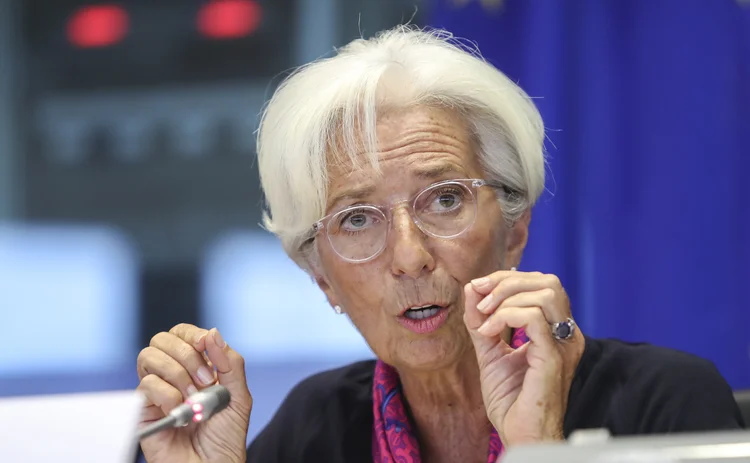
Christine Lagarde has said countries should work together to preserve the benefits of globalisation.
In a speech at the People’s Bank of China in Beijing on June 11, the European Central Bank president said coercive trade policies – such as tariffs – were “not a sustainable solution to today’s trade tensions”.
Such measures tried to address tensions by eroding “the foundations of global prosperity” rather than addressing the root causes of these tensions, she explained.
Lagarde spoke of a
Only users who have a paid subscription or are part of a corporate subscription are able to print or copy content.
To access these options, along with all other subscription benefits, please contact info@centralbanking.com or view our subscription options here: www.centralbanking.com/subscriptions
You are currently unable to print this content. Please contact info@centralbanking.com to find out more.
You are currently unable to copy this content. Please contact info@centralbanking.com to find out more.
Copyright Infopro Digital Limited. All rights reserved.
As outlined in our terms and conditions, https://www.infopro-digital.com/terms-and-conditions/subscriptions/ (point 2.4), printing is limited to a single copy.
If you would like to purchase additional rights please email info@centralbanking.com
Copyright Infopro Digital Limited. All rights reserved.
You may share this content using our article tools. As outlined in our terms and conditions, https://www.infopro-digital.com/terms-and-conditions/subscriptions/ (clause 2.4), an Authorised User may only make one copy of the materials for their own personal use. You must also comply with the restrictions in clause 2.5.
If you would like to purchase additional rights please email info@centralbanking.com
More on Economics
AI growth could offset effects of ageing in Asia – Georgieva
At launch of Shaping the Future of Asia, ex-governors discuss factors behind region’s growth

Little evidence of second-round inflation in UK – Bailey
BoE governor says economy more resilient than expected, amid signs of AI investment
Venezuela seeks shift to inflation targeting in medium term
Minister says dollarisation not ‘right answer’ and debt sustainability analysis to be published soon
Lagarde cools speculation of ECB rescue amid French debt woes
Central bank chief urges her home country to get its fiscal house in order

Fiscal consolidation still possible in France – Moulin
BdF governor says Europe facing twin shock from surge in energy costs and bond yields

Young people less likely to be hired in age of AI – BdF blog
Technology’s impact less pronounced among older workers, as French firms opt to retain senior staff

Softer expectations needed for AI-led growth – BIS paper
Large-scale automation could weaken profit incentive that drove technological progress, economist says

Resilience is watchword in IMF’s World Economic Report
Tenreyro says sources of oil, trade and tech inputs should be diversified if economies are to withstand shocks