
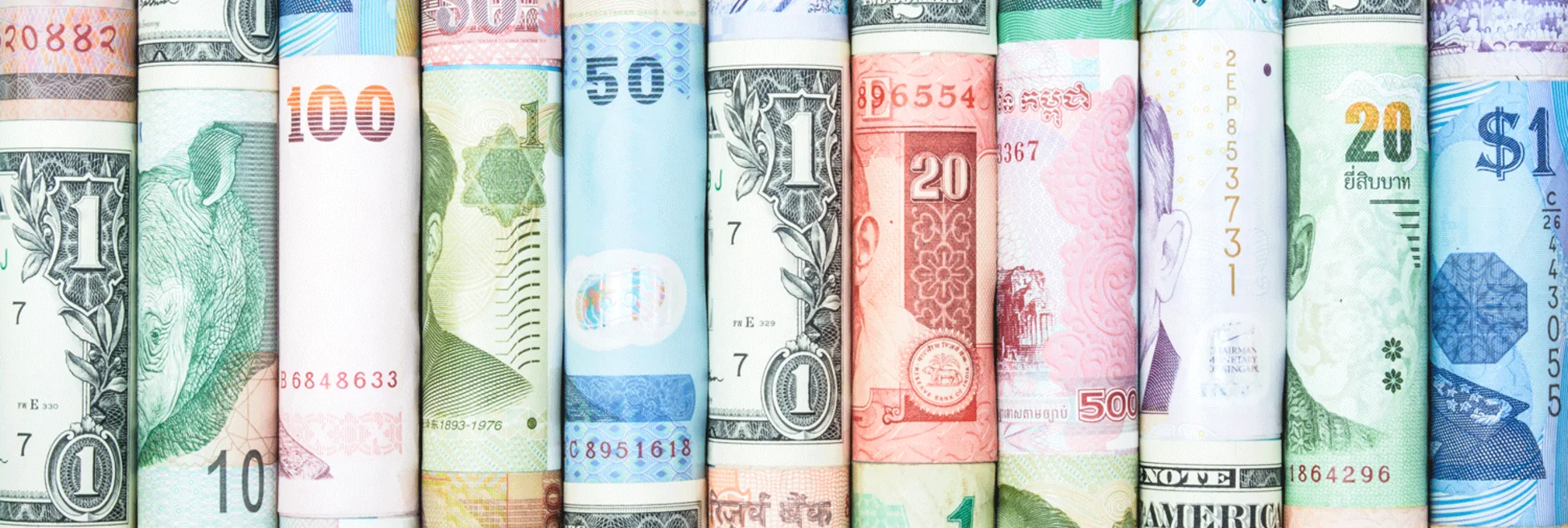

Material world: the enduring appeal of paper banknotes
Central banks have used space-age polymers to make banknotes for decades. So why does paper remain predominant in banknote production?

For much of the late 20th century, plastic carried the aura of the modern, the state of the art. During the 1960s, fashion designers aiming for a futuristic look often used plastic as a material.
In currency, plastic, too, represents the cutting edge. The first plastic banknotes entered circulation in the 1980s. In that sense, they are cousins of that other major plastic component of modern payments, the credit card. Indeed, the hologram – now a common security feature on notes – came from the
Solo los usuarios que tengan una suscripción de pago o formen parte de una suscripción corporativa pueden imprimir o copiar contenido.
Para acceder a estas opciones, junto con todas las demás ventajas de la suscripción, póngase en contacto con info@centralbanking.com o consulte nuestras opciones de suscripción aquí: subscriptions.centralbanking.com/subscribe
Actualmente no puede imprimir este contenido. Póngase en contacto con info@centralbanking.com para obtener más información.
Actualmente no puede copiar este contenido. Póngase en contacto con info@centralbanking.com para obtener más información.
Copyright Infopro Digital Limited. Todos los derechos reservados.
Tal y como se indica en nuestros términos y condiciones, https://www.infopro-digital.com/terms-and-conditions/subscriptions/ (punto 2.4), la impresión está limitada a una sola copia.
Si desea adquirir derechos adicionales, envíe un correo electrónico a info@centralbanking.com prueba prueba prueba
Copyright Infopro Digital Limited. Todos los derechos reservados.
Puede compartir este contenido utilizando nuestras herramientas para artículos. Tal y como se indica en nuestros términos y condiciones, https://www.infopro-digital.com/terms-and-conditions/subscriptions/ (cláusula 2.4), un usuario autorizado solo puede hacer una copia de los materiales para su uso personal. También debe cumplir con las restricciones de la cláusula 2.5.
Si desea adquirir derechos adicionales, envíe un correo electrónico a info@centralbanking.com prueba prueba prueba
Más información en Moneda

Tim Young explica por qué el Reino Unido se encuentra al borde de una crisis fiscal
En su último artículo de opinión, el ‘economista rebelde’, fallecido a principios de este mes, expone los desafíos que Andy Burnham y el BoE tendrán que afrontar
Actas del grupo de trabajo: los bancos centrales buscan eficiencias en el ciclo del efectivo
Algunas instituciones de EME están reestructurando sus operaciones y promoviendo métodos de pago digitales
Currency Benchmarks 2024 – análisis de bancos modelo
Explore las principales diferencias entre los bancos centrales según los grupos de economías y el tamaño de los bancos centrales
Currency Benchmarks 2024 – resumen ejecutivo
Los datos arrojan luz sobre las características del diseño de los billetes, las políticas de acceso al efectivo y la gestión del ciclo del efectivo.

Informe Currency Benchmarks 2024 - garantizar los pagos en efectivo
A medida que disminuye el uso del efectivo en las transacciones, muchos bancos centrales están adoptando políticas para garantizar el acceso al efectivo
La mayoría de los bancos centrales prevén la demanda de efectivo para un plazo de uno a tres años.
El banco central prevé un aumento del 5 % en el efectivo en circulación en 2024.
G+D domina la clasificación de billetes del banco central
La máquina BPS M7 de Giesecke+Devriant es muy utilizada entre los bancos centrales.
Casi la mitad de los bancos centrales tienen acceso a la política monetaria.
Los países con ingresos altos son ligeramente más propensos a mantener el acceso a las políticas monetarias.