

Fed plays down US economic rebound
Powell says economy still “a long way from our goals” as FOMC holds policy steady
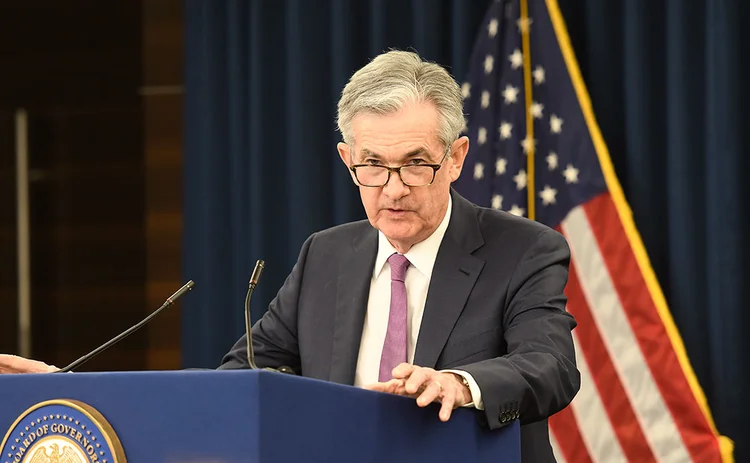
The Federal Reserve held its monetary policy steady today (April 28), emphasising in a statement that the US economy is not yet ready for stimulus to be withdrawn.
During the post-meeting press conference, chair Jerome Powell said the economy remained a “long way from our goals”. He added: “It is likely to take some time before substantial further progress is achieved.”
Powell dismissed the possibility of tapering asset purchases any time soon, and said any change to the purchase programme
Solo los usuarios que tengan una suscripción de pago o formen parte de una suscripción corporativa pueden imprimir o copiar contenido.
Para acceder a estas opciones, junto con todas las demás ventajas de la suscripción, póngase en contacto con info@centralbanking.com o consulte nuestras opciones de suscripción aquí: subscriptions.centralbanking.com/subscribe
Actualmente no puede imprimir este contenido. Póngase en contacto con info@centralbanking.com para obtener más información.
Actualmente no puede copiar este contenido. Póngase en contacto con info@centralbanking.com para obtener más información.
Copyright Infopro Digital Limited. Todos los derechos reservados.
Tal y como se indica en nuestros términos y condiciones, https://www.infopro-digital.com/terms-and-conditions/subscriptions/ (punto 2.4), la impresión está limitada a una sola copia.
Si desea adquirir derechos adicionales, envíe un correo electrónico a info@centralbanking.com prueba prueba prueba
Copyright Infopro Digital Limited. Todos los derechos reservados.
Puede compartir este contenido utilizando nuestras herramientas para artículos. Tal y como se indica en nuestros términos y condiciones, https://www.infopro-digital.com/terms-and-conditions/subscriptions/ (cláusula 2.4), un usuario autorizado solo puede hacer una copia de los materiales para su uso personal. También debe cumplir con las restricciones de la cláusula 2.5.
Si desea adquirir derechos adicionales, envíe un correo electrónico a info@centralbanking.com prueba prueba prueba
Más información en Decisiones de política monetaria

Uruguay sube las tasas de interés por primera vez en 18 meses
El banco central afirma que la subida de tasas es una medida 'proactiva' para mitigar el riesgo de que se extiendan las presiones inflacionistas

Perú mantiene inesperadamente las tasas de interés en un contexto de aumento de la inflación
El BCRP mantiene una “postura restrictiva” al dejar abierta la posibilidad de un ajuste de las tasas, según afirma un economista

Colombia aplica una subida inesperada de las tasas de interés de 25pb
La medida supone la “cuarta sorpresa consecutiva” de política monetaria en el ciclo de endurecimiento, según un economista

Sri Lanka mantiene las tasas de interés, ya que la inflación sigue siendo elevada
El CBSL afirma que las expectativas a mediano plazo siguen “en general bien ancladas” en torno al objetivo

China anuncia un recorte selectivo de tasas y subsidios a las hipotecas
El PBoC flexibiliza la política para las entidades crediticias dedicadas a las infraestructuras y refuerza el apoyo a la innovación tecnológica

El Banco de Jamaica sube las tasas de interés en 50pb
El banco central afirma que el recrudecimiento de las tensiones geopolíticas y el fenómeno de El Niño están provocando presiones inflacionistas
Australia eleva las tasas de interés hasta su nivel más alto en 15 años
El cuarto aumento de tasas del RBA en 2026 tiene como objetivo la inflación, y el gobernador afirma que se barajan nuevos aumentos

Suiza, Suecia y Hungría mantienen las tasas de interés, mientras que Noruega las sube
Cuatro bancos centrales europeos anuncian sus decisiones de política monetaria