

Canada introduces first Charles III coins
Argentina updates 2,000-peso note; ECCB commemorative note honours cricketer; and more

Canada: The Royal Canadian Mint unveiled its first C$1 coins featuring the image of King Charles III on November 14. The first Canadian coins featuring the new king will begin circulating in December.
A Canadian artist, Steven Rosati, created the image. Finance minister Chrystia Freeland said Rosati had created “a fitting tribute, and Canada is proud to mark His Majesty’s birthday with the striking of this first circulation coin”.
As in the UK, Canadian coins featuring the late Queen Elizabeth II
Solo los usuarios que tengan una suscripción de pago o formen parte de una suscripción corporativa pueden imprimir o copiar contenido.
Para acceder a estas opciones, junto con todas las demás ventajas de la suscripción, póngase en contacto con info@centralbanking.com o consulte nuestras opciones de suscripción aquí: subscriptions.centralbanking.com/subscribe
Actualmente no puede imprimir este contenido. Póngase en contacto con info@centralbanking.com para obtener más información.
Actualmente no puede copiar este contenido. Póngase en contacto con info@centralbanking.com para obtener más información.
Copyright Infopro Digital Limited. Todos los derechos reservados.
Tal y como se indica en nuestros términos y condiciones, https://www.infopro-digital.com/terms-and-conditions/subscriptions/ (punto 2.4), la impresión está limitada a una sola copia.
Si desea adquirir derechos adicionales, envíe un correo electrónico a info@centralbanking.com prueba prueba prueba
Copyright Infopro Digital Limited. Todos los derechos reservados.
Puede compartir este contenido utilizando nuestras herramientas para artículos. Tal y como se indica en nuestros términos y condiciones, https://www.infopro-digital.com/terms-and-conditions/subscriptions/ (cláusula 2.4), un usuario autorizado solo puede hacer una copia de los materiales para su uso personal. También debe cumplir con las restricciones de la cláusula 2.5.
Si desea adquirir derechos adicionales, envíe un correo electrónico a info@centralbanking.com prueba prueba prueba
Más información en Billetes
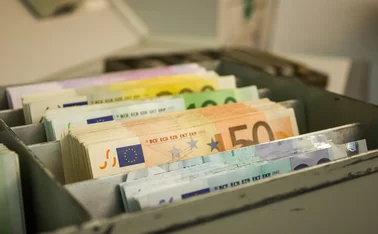
Una nueva mirada sobre el uso del efectivo
Antti Heinonen analiza las últimas novedades en materia de efectivo que contradicen la visión predominante
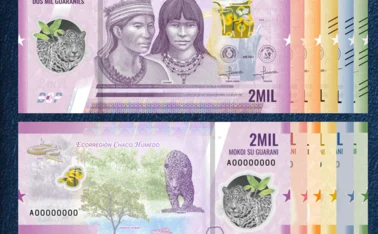
El Banco Central de Paraguay presenta una nueva serie de billetes
Los diseños incluyen funciones actualizadas de seguridad y accesibilidad

Emisión de billetes: de julio a septiembre de 2026
Un resumen de las noticias y los temas más destacados que han afectado a los responsables de los bancos centrales en los últimos tres meses
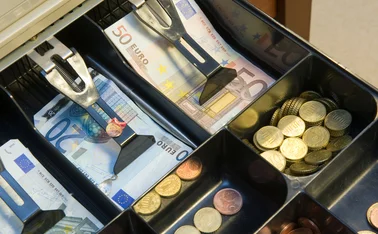
Los comercios dentro del sistema de pagos en efectivo
Mientras las autoridades buscan preservar la aceptación del efectivo y recurren cada vez más a los comercios para facilitar el acceso a este medio de pago, Martina Horakova sostiene que los propios comercios necesitan contar con servicios de efectivo adecuados y que facilitar efectivo al público no debería suponer un costo para ellos
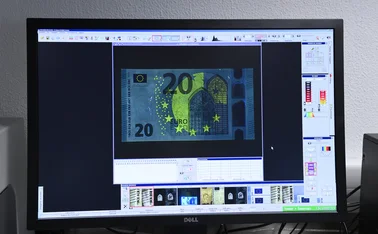
Alemania registra un aumento de los billetes falsos de €100 en medio de un descenso generalizado de la falsificación
El Banco Federal Alemán afirma que los niveles generales de dinero falsificado siguen siendo bajos
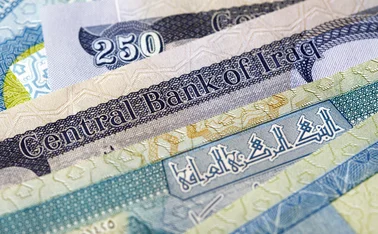
Irak recibe $500 millones de la Fed ante la escasez de liquidez que sufre el gobierno
Los ingresos de los países exportadores de petróleo se ven sometidos a presión a medida que persiste la incertidumbre en el estrecho de Ormuz

El BCE da a conocer la lista de finalistas para los nuevos diseños de los billetes de euro
El banco invita al público a compartir sus opiniones y presenta, por primera vez, diseños verticales

Sudán retirará de la circulación una serie de billetes de baja denominación
Las billetes de menor valor han perdido poder adquisitivo debido a la inflación y a la depreciación de la moneda