

Podcast: subsanar las lagunas en la legislación sobre fintech
Fintech está transformando el sistema financiero, pero la legislación no se adapta con la misma rapidez, según los abogados del FMI


Las nuevas tecnologías están transformando la forma en que se transfiere el valor en el sistema financiero e incluso la estructura de las entidades financieras. Ahora es necesario que la legislación se adapte a estos cambios, afirman José Garrido y Juan Sebastián Viancha Trujillo en un nuevo podcast de Central Banking .
Estos especialistas jurídicos del Fondo Monetario Internacional (FMI) afirman que organizaciones como los bancos centrales deben colaborar en una nueva “agenda jurídica” que dé cabida a la fintech (tecnología financiera).
“En momentos clave de la historia, como por ejemplo la Revolución Industrial, los cambios tecnológicos y jurídicos se han reforzado mutuamente”, afirma Garrido. “Creemos que podríamos estar viviendo un momento similar en la actualidad”.
En un artículo elaborado junto con Yan Liu y Joseph Sommer, Garrido y Viancha establecen cuatro principios clave para orientar estos cambios. Debe existir seguridad jurídica para proteger a todos los participantes en el sistema financiero; la ley debe ser neutral en materia de tecnología y no favorecer a ningún tipo concreto de fintech; las intervenciones deben ser específicas; y las autoridades deben colaborar para armonizar las legislaciones a nivel transfronterizo.
Viancha señala cómo muchas de las nuevas tecnologías están interconectadas, mientras que el auge de la fintech está desplazando los productos financieros hacia nuevos “caminos”. Un ejemplo es la tokenización de los valores, lo que plantea la cuestión clave de cómo estos productos podrían encajar en las operaciones de mercado de los bancos centrales.
“En este momento disponemos de la tecnología, pero no estamos seguros de cuáles son los efectos jurídicos”, añade Garrido.
Además de los cambios en los productos financieros, el auge de la fintech está dando lugar a la aparición de nuevas empresas. El documento destaca el ejemplo de las “organizaciones autónomas descentralizadas”. El uso de contratos inteligentes puede crear un negocio completo que funcione sobre la base de código informático. Sin embargo, los autores señalan que, en un caso ocurrido en 2017, el código fue pirateado, “lo que provocó pérdidas sustanciales”.
Viancha afirma que las nuevas entidades y tipos de productos representan un “enorme desafío” para los reguladores y supervisores. Es probable que los supervisores tengan que examinar minuciosamente el código y los algoritmos, además de las cuentas más tradicionales de una empresa. Sin seguridad jurídica, la tarea será aún más difícil.
Ante estas cuestiones, Garrido y Viancha instan a los bancos centrales a actuar de inmediato. “Los bancos centrales deberían participar sin duda en la configuración de esta agenda, ya que afecta a toda la economía”, afirma Garrido.
El documento está disponible en la biblioteca electrónica del FMI aquí.
Índice
00:50 Antecedentes de la investigación
06:10 Repercusiones en las operaciones de mercado
14:00 ¿Qué deberían hacer los bancos centrales?
18:25 Próximos pasos
Solo los usuarios que tengan una suscripción de pago o formen parte de una suscripción corporativa pueden imprimir o copiar contenido.
Para acceder a estas opciones, junto con todas las demás ventajas de la suscripción, póngase en contacto con info@centralbanking.com o consulte nuestras opciones de suscripción aquí: subscriptions.centralbanking.com/subscribe
Actualmente no puede imprimir este contenido. Póngase en contacto con info@centralbanking.com para obtener más información.
Actualmente no puede copiar este contenido. Póngase en contacto con info@centralbanking.com para obtener más información.
Copyright Infopro Digital Limited. Todos los derechos reservados.
Tal y como se indica en nuestros términos y condiciones, https://www.infopro-digital.com/terms-and-conditions/subscriptions/ (punto 2.4), la impresión está limitada a una sola copia.
Si desea adquirir derechos adicionales, envíe un correo electrónico a info@centralbanking.com prueba prueba prueba
Copyright Infopro Digital Limited. Todos los derechos reservados.
Puede compartir este contenido utilizando nuestras herramientas para artículos. Tal y como se indica en nuestros términos y condiciones, https://www.infopro-digital.com/terms-and-conditions/subscriptions/ (cláusula 2.4), un usuario autorizado solo puede hacer una copia de los materiales para su uso personal. También debe cumplir con las restricciones de la cláusula 2.5.
Si desea adquirir derechos adicionales, envíe un correo electrónico a info@centralbanking.com prueba prueba prueba
Más información en Tecnología financiera
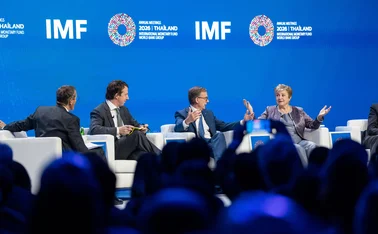
Georgieva: nos guste, nos disguste o nos dé miedo, la IA ya está aquí
La ambivalencia del director gerente del FMI contrasta con el optimismo cauteloso de Macklem y el optimismo de los responsables de políticas de Anthropic
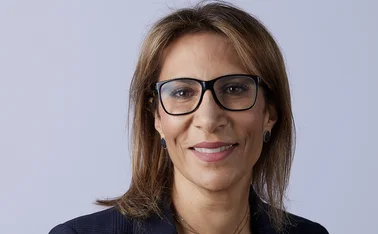
Maha El Dimachki, de GFTN, analiza los desafíos tecnológicos que enfrentan los bancos centrales
La tokenización, la IA y la tecnología cuántica están convergiendo a medida que evolucionan los corredores financieros mundiales

Bailey aboga por un interruptor de emergencia para la IA antes de que se apruebe la normativa
El FPC afirma que la tecnología está agravando los riesgos para la estabilidad financiera y haciendo que estos estén cada vez más interrelacionados
Podcast: Las amenazas a la estabilidad financiera derivadas de la ciberseguridad en la era de la IA
Espionaje por parte de Estados-nación, malware y ransomware, pero con enjambres de IA autónoma

El Banco de Corea revela que datos de sus empleados fueron hackeados este año
La empresa contratista informó al banco central un mes después de que se filtraran los datos personales de los empleados
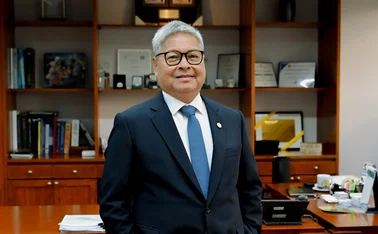
Mamerto Tangonan analiza el ecosistema digital “glocal” de Filipinas
El vicegobernador comparte sus reflexiones sobre la relación entre las wCBDC y los bonos soberanos digitales, la gobernanza de los pagos multilaterales y el comercio mundial “inteligente”
Los bancos centrales de la UE quieren más bonos soberanos en las reservas de las stablecoins
Las propuestas de revisión de Micar incluyen romper la interdependencia en materia de criptomonedas con los bancos rivales

Economistas del BPI ponen en duda los datos del sector de las criptomonedas
Los bancos centrales deberían considerar las estadísticas de blockchain como ‘aproximaciones imprecisas’ de la actividad económica real