

Brazil makes largest rate hike in decades on fiscal concerns
Inflation continues to grow, as mid-month reading hits 10.3% in October

The Central Bank of Brazil implemented its largest rate hike since 2002 on October 27, in a fresh bid to tame rising inflation and respond to concerns on fiscal sustainability.
The monetary policy committee unanimously voted to increase the key Selic rate by 150 basis points to 7.75%. So far this year, the central bank has increased rates by 575 basis points. Nonetheless, with inflation running high, real rates remain negative.
The mid-month inflation reading published earlier this week stood
Solo los usuarios que tengan una suscripción de pago o formen parte de una suscripción corporativa pueden imprimir o copiar contenido.
Para acceder a estas opciones, junto con todas las demás ventajas de la suscripción, póngase en contacto con info@centralbanking.com o consulte nuestras opciones de suscripción aquí: subscriptions.centralbanking.com/subscribe
Actualmente no puede imprimir este contenido. Póngase en contacto con info@centralbanking.com para obtener más información.
Actualmente no puede copiar este contenido. Póngase en contacto con info@centralbanking.com para obtener más información.
Copyright Infopro Digital Limited. Todos los derechos reservados.
Tal y como se indica en nuestros términos y condiciones, https://www.infopro-digital.com/terms-and-conditions/subscriptions/ (punto 2.4), la impresión está limitada a una sola copia.
Si desea adquirir derechos adicionales, envíe un correo electrónico a info@centralbanking.com prueba prueba prueba
Copyright Infopro Digital Limited. Todos los derechos reservados.
Puede compartir este contenido utilizando nuestras herramientas para artículos. Tal y como se indica en nuestros términos y condiciones, https://www.infopro-digital.com/terms-and-conditions/subscriptions/ (cláusula 2.4), un usuario autorizado solo puede hacer una copia de los materiales para su uso personal. También debe cumplir con las restricciones de la cláusula 2.5.
Si desea adquirir derechos adicionales, envíe un correo electrónico a info@centralbanking.com prueba prueba prueba
Más información en Decisiones de política monetaria

El Banco de Canadá mantiene las tasas sin cambios ante la intensificación de la guerra comercial
Macklem afirma que el repunte inesperado del crecimiento es frágil debido a los nuevos aranceles de EE. UU. y a los elevados precios de la gasolina
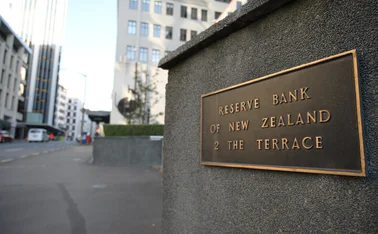
Nueva Zelanda endurece su política monetaria, ya que la inflación se mantiene por encima del objetivo
El RBNZ prevé que el crecimiento, actualmente “débil”, se acelere tras aplicar la subida de tasas esperada

Botsuana mantiene las tasas sin cambios, mientras Ruanda las sube 50pb
El aumento de la inflación lleva a este país de África Oriental a elevar la tasa de interés bancario hasta su nivel más alto desde 2009

Tonga mantiene las tasas sin cambios mientras avanza la reforma de la política monetaria
El banco central de una isla del Pacífico afirma que la inflación se está disparando debido a las perturbaciones externas en los precios

Filipinas endurece su política monetaria mientras continúa la lucha contra la inflación
Los analistas consideran que esta decisión marca el final del actual ciclo de política monetaria del BSP

El BoK sube las tasas por segunda vez consecutiva
El banco central prevé un crecimiento más sólido, mientras que la inflación se mantiene por encima del objetivo
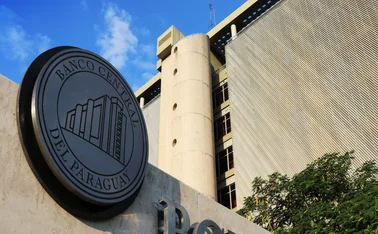
Paraguay mantiene las tasas de interés por sexta vez consecutiva
El banco central prevé que la inflación, que actualmente se sitúa por debajo del objetivo, aumente gradualmente hasta alcanzar el 3,3% a finales de año

Jamaica y Uruguay mantienen sin cambios sus tasas de interés
Los bancos centrales señalan el agravamiento de las tensiones geopolíticas y los fenómenos meteorológicos extremos como riesgos al alza para la inflación