

Worldwide warnings of escalating risk

The International Monetary Fund (IMF) and the European Systemic Risk Board (ESRB) have both issued stern warnings on global risk.
Since the previous ESRB general board meeting on June 22, 2011, "risks to the stability of the European Union (EU) financial system have increased considerably", said the board in a statement on Wednesday.
"Key risks stem from potential further adverse feedback effects between sovereign risks, funding vulnerabilities within the EU banking sector, and a weakening of
Solo los usuarios que tengan una suscripción de pago o formen parte de una suscripción corporativa pueden imprimir o copiar contenido.
Para acceder a estas opciones, junto con todas las demás ventajas de la suscripción, póngase en contacto con info@centralbanking.com o consulte nuestras opciones de suscripción aquí: subscriptions.centralbanking.com/subscribe
Actualmente no puede imprimir este contenido. Póngase en contacto con info@centralbanking.com para obtener más información.
Actualmente no puede copiar este contenido. Póngase en contacto con info@centralbanking.com para obtener más información.
Copyright Infopro Digital Limited. Todos los derechos reservados.
Tal y como se indica en nuestros términos y condiciones, https://www.infopro-digital.com/terms-and-conditions/subscriptions/ (punto 2.4), la impresión está limitada a una sola copia.
Si desea adquirir derechos adicionales, envíe un correo electrónico a info@centralbanking.com prueba prueba prueba
Copyright Infopro Digital Limited. Todos los derechos reservados.
Puede compartir este contenido utilizando nuestras herramientas para artículos. Tal y como se indica en nuestros términos y condiciones, https://www.infopro-digital.com/terms-and-conditions/subscriptions/ (cláusula 2.4), un usuario autorizado solo puede hacer una copia de los materiales para su uso personal. También debe cumplir con las restricciones de la cláusula 2.5.
Si desea adquirir derechos adicionales, envíe un correo electrónico a info@centralbanking.com prueba prueba prueba
Más información en Estabilidad financiera

Las stablecoins podrían permitir a las empresas estadounidenses dar prioridad a ciertos acreedores, según un estudio
La FDIC podría tener que asumir la responsabilidad si un banco emite monedas antes de quebrar, según afirman investigadores de la Fed de Cleveland

El FSB insta a adoptar 'medidas urgentes' en materia de mecanismos públicos de apoyo a la liquidez
Según un informe, muchas jurisdicciones corren el riesgo de tener que 'improvisar bajo presión'

A medida que crece el sector de las NBFI, también aumentan sus riesgos y beneficios, afirma Knot
El expresidente del FSB analiza las implicaciones del creciente dominio del sector
La Fed de Kansas City advierte sobre los riesgos a largo plazo del financiamiento de la IA
Las entidades con un elevado nivel de apalancamiento pueden provocar que las tensiones financieras se extiendan al conjunto de la economía

El FMI señala deficiencias en los esfuerzos de reforma financiera de Somalia
El Fondo señala que se han logrado avances, pero afirma que el banco central debería ir más allá para salvaguardar la estabilidad
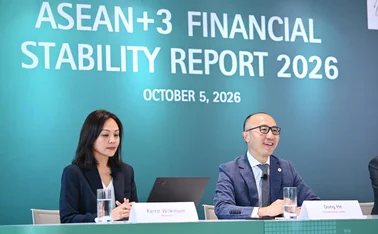
La divergencia de los ciclos mundiales da a Asia mayor margen de política económica, según Amro
Según un informe, este cambio podría permitir a los bancos centrales de la ASEAN+3 centrarse en la situación nacional en lugar de en la internacional

Hernández de Cos, del BPI, analiza la IA, los riesgos del sector financiero no bancario y la tokenización
El director general habla sobre cómo el BPI está afrontando un entorno global complejo

El RBA afirma que los riesgos para la estabilidad proceden principalmente del extranjero
El informe Finstab del Banco señala que el sistema financiero es resistente, pero destaca las preocupaciones relacionadas con la IA y la geopolítica