

Taiwanese central bank asks for smaller dollar trades
Large dollar orders may slow down foreign exchange transactions, central bank says

Taiwan’s central bank has told traders at commercial banks to sell the US dollar in smaller amounts, a spokesperson tells Central Banking.
The size of some banks’ dollar orders have had negative effects on the market, the central bank spokesperson says. They say the country’s foreign exchange market is not deep, and if dollar orders are too large it will affect the speed of FX transactions in the interbank market.
The central bank has suggested traders sell the dollar in orders smaller than $5
Solo los usuarios que tengan una suscripción de pago o formen parte de una suscripción corporativa pueden imprimir o copiar contenido.
Para acceder a estas opciones, junto con todas las demás ventajas de la suscripción, póngase en contacto con info@centralbanking.com o consulte nuestras opciones de suscripción aquí: subscriptions.centralbanking.com/subscribe
Actualmente no puede imprimir este contenido. Póngase en contacto con info@centralbanking.com para obtener más información.
Actualmente no puede copiar este contenido. Póngase en contacto con info@centralbanking.com para obtener más información.
Copyright Infopro Digital Limited. Todos los derechos reservados.
Tal y como se indica en nuestros términos y condiciones, https://www.infopro-digital.com/terms-and-conditions/subscriptions/ (punto 2.4), la impresión está limitada a una sola copia.
Si desea adquirir derechos adicionales, envíe un correo electrónico a info@centralbanking.com prueba prueba prueba
Copyright Infopro Digital Limited. Todos los derechos reservados.
Puede compartir este contenido utilizando nuestras herramientas para artículos. Tal y como se indica en nuestros términos y condiciones, https://www.infopro-digital.com/terms-and-conditions/subscriptions/ (cláusula 2.4), un usuario autorizado solo puede hacer una copia de los materiales para su uso personal. También debe cumplir con las restricciones de la cláusula 2.5.
Si desea adquirir derechos adicionales, envíe un correo electrónico a info@centralbanking.com prueba prueba prueba
Más información en Divisas

La geopolítica ha sido considerada el principal riesgo por los gestores de reservas
La encuesta “Reserve Management Trends” revela que los preparativos realizados en tiempos de paz se están poniendo a prueba

Taiwán pide a los operadores extranjeros que mejoren el cumplimiento de las normas sobre divisas
El banco central afirma que está considerando nuevas regulaciones ante la preocupación por la especulación monetaria.

El FMI elogia las reformas cambiarias de Nigeria
La revisión del artículo IV del Fondo también insta al banco central a introducir una senda de desinflación.

Hong Kong interviene una vez más para proteger la paridad monetaria
La intervención es la segunda que realiza la HKMA en el extremo débil de la banda HKD/USD en menos de una semana, y es probable que haya más.

Hong Kong interviene para proteger la paridad cambiaria
La HKMA vende 1200 millones de dólares estadounidenses a 7,85 dólares hongkoneses por dólar, ya que la moneda local alcanza el límite inferior de la banda de fluctuación cambiaria.

Los bancos centrales refuerzan sus reservas frente a las consecuencias de los aranceles
Las autoridades se preparan para proteger la inversión extranjera directa y realizar intervenciones en el mercado de divisas, según una encuesta de Reserve Management Trends.

Ukraine’s governor on central banking as war endures
Andriy Pyshnyy speaks about Ukraine’s financial stability and need for investment
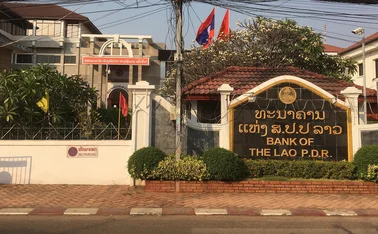
Laotian central bank raises rates amid high inflation
Inflation in Laos has been above 20% due to weak local currency