

No date in sight for Fed Board nomination vote
Delays in voting on Judy Shelton and Christopher Waller leave board understaffed during crisis


No date has been set for the Senate to vote on the Federal Reserve Board nominations of Judy Shelton and Christopher Waller, despite the board being understaffed during the current crisis.
The pair underwent a nomination hearing on February 13, after which a date was due to be set for the first of two votes they would have to pass before being appointed. Shortly after, however, Congress went into crisis-fighting mode and lockdown measures were imposed.
A majority of senators must be present
Solo los usuarios que tengan una suscripción de pago o formen parte de una suscripción corporativa pueden imprimir o copiar contenido.
Para acceder a estas opciones, junto con todas las demás ventajas de la suscripción, póngase en contacto con info@centralbanking.com o consulte nuestras opciones de suscripción aquí: subscriptions.centralbanking.com/subscribe
Actualmente no puede imprimir este contenido. Póngase en contacto con info@centralbanking.com para obtener más información.
Actualmente no puede copiar este contenido. Póngase en contacto con info@centralbanking.com para obtener más información.
Copyright Infopro Digital Limited. Todos los derechos reservados.
Tal y como se indica en nuestros términos y condiciones, https://www.infopro-digital.com/terms-and-conditions/subscriptions/ (punto 2.4), la impresión está limitada a una sola copia.
Si desea adquirir derechos adicionales, envíe un correo electrónico a info@centralbanking.com prueba prueba prueba
Copyright Infopro Digital Limited. Todos los derechos reservados.
Puede compartir este contenido utilizando nuestras herramientas para artículos. Tal y como se indica en nuestros términos y condiciones, https://www.infopro-digital.com/terms-and-conditions/subscriptions/ (cláusula 2.4), un usuario autorizado solo puede hacer una copia de los materiales para su uso personal. También debe cumplir con las restricciones de la cláusula 2.5.
Si desea adquirir derechos adicionales, envíe un correo electrónico a info@centralbanking.com prueba prueba prueba
Más información en Gobernanza

Trump crea una comisión para investigar a Cook
Los tribunales habían dictaminado anteriormente que el presidente de EE. UU. no había respetado las garantías procesales al intentar destituir a un gobernador de la Fed

El BCRA cuestiona las afirmaciones sobre pérdidas de $1.000 millones por coberturas del oro
El banco central afirma que las operaciones con derivados realizadas en 2025 reflejaban operaciones de cobertura habituales

Hernández de Cos, del BPI, analiza la IA, los riesgos del sector financiero no bancario y la tokenización
El director general habla sobre cómo el BPI está afrontando un entorno global complejo
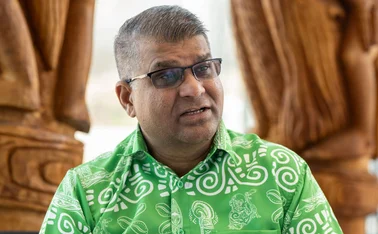
Serie sobre el Pacífico: El clima es el tema prioritario para el gobernador de Fiyi, Ariff Ali
El gobernador del banco central habla sobre el clima, la inclusión, la modernización y la vulnerabilidad antes de su probable retiro el próximo año, tras 30 años en la institución

El populismo proyecta una larga sombra sobre la política de los bancos centrales, según un estudio del NBER
Los países con un historial de financiación monetaria realizan un esfuerzo adicional para demostrar su compromiso con la lucha contra la inflación

La desregulación debilita la resiliencia y no impulsa el crédito, afirma Buch
El presidente del Consejo de Supervisión del BCE aboga por un mayor número de “observadores” de los organismos reguladores bancarios

Las lecciones ESG de Ucrania desde una zona de guerra
Olena Shcherbakova, miembro del consejo rector de la NBU, aborda cómo pueden adaptarse las normas medioambientales, sociales y de gobernanza a los requisitos de doble uso y de defensa

La Fed entra en una nueva era
El presidente Kevin Warsh da sus primeros pasos para transformar el banco central de EE. UU.