

Croatian governor: western Europe could improve NPL provisioning
Central and eastern European countries are leading way with NPLs, says Vujčić


Boris Vujčić, governor of the Croatian National Bank, believes that too many western European countries have been too slow in increasing the provisioning of their non-performing loans (NPLs).
When Vujčić became governor in 2012, one of his main priorities was increasing the provisioning of Croatia’s NPLs, he says in an interview in the forthcoming issue of Central Banking journal. Croatia then had a high level of NPLs, which were only provisioned at “around 42%”, Vujčić noted.
“I think that we, as central bankers, didn’t have a good view of the worth of collateral,” Vujčić says. “But I didn’t think the banks had a good view of it either.” In response, the central bank introduced the “provisioning clock” in 2013.
Under this measure, commercial banks either had to initiate court proceedings to seize the collateral of an NPL, or increase its provisioning by 5 percentage points every six months. “It worked well,” says Vujčić. The provisioning level of Croatian NPLs rose from “about 42%” in 2012 to approximately 65% now, he said. NPLs were falling as a proportion of banks’ total balance sheets, from about 16% of banks’ balance sheets in 2013 to “perhaps 10% very soon”.
Obliging commercial banks to increase their provisioning of NPLs does not disincentivise future lending, he argues: “I thought provisioning was like taking money from your left pocket and putting it in your right pocket: nobody’s taking money from you.”
Asked if other European countries could increase provisioning, Vujčić replies: “Of course.” He adds that policies to increase the provisioning of NPLs are “mostly being done in central and eastern Europe – much less in western Europe.”
Solo los usuarios que tengan una suscripción de pago o formen parte de una suscripción corporativa pueden imprimir o copiar contenido.
Para acceder a estas opciones, junto con todas las demás ventajas de la suscripción, póngase en contacto con info@centralbanking.com o consulte nuestras opciones de suscripción aquí: subscriptions.centralbanking.com/subscribe
Actualmente no puede imprimir este contenido. Póngase en contacto con info@centralbanking.com para obtener más información.
Actualmente no puede copiar este contenido. Póngase en contacto con info@centralbanking.com para obtener más información.
Copyright Infopro Digital Limited. Todos los derechos reservados.
Tal y como se indica en nuestros términos y condiciones, https://www.infopro-digital.com/terms-and-conditions/subscriptions/ (punto 2.4), la impresión está limitada a una sola copia.
Si desea adquirir derechos adicionales, envíe un correo electrónico a info@centralbanking.com prueba prueba prueba
Copyright Infopro Digital Limited. Todos los derechos reservados.
Puede compartir este contenido utilizando nuestras herramientas para artículos. Tal y como se indica en nuestros términos y condiciones, https://www.infopro-digital.com/terms-and-conditions/subscriptions/ (cláusula 2.4), un usuario autorizado solo puede hacer una copia de los materiales para su uso personal. También debe cumplir con las restricciones de la cláusula 2.5.
Si desea adquirir derechos adicionales, envíe un correo electrónico a info@centralbanking.com prueba prueba prueba
Más información en Estabilidad financiera

Los prestamistas europeos hacen pagar a los contaminadores, según un estudio del BCE
Las empresas que desean financiar proyectos cerca de zonas “sensibles en materia de biodiversidad” se enfrentan a peores condiciones de financiación

Irlanda publica una hoja de ruta para simplificar la regulación
El gobernador del banco central insiste en que no se trata de reducir los estándares, sino de mejorar la calidad del marco regulatorio
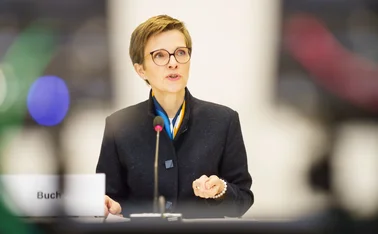
La supervisión debe basarse en evidencia, afirma Buch, del BCE
Los cambios apresurados podrían poner en riesgo el rigor de la supervisión y afectar la resiliencia financiera, advierte la jefa de supervisión

Ueda afirma que las tasas de largo plazo del BoJ han subido “con cierta rapidez”
El banco central de Japón comprará bonos del Estado si los rendimientos siguen aumentando, afirma el gobernador

La prueba de resistencia del BoE concluye que las CCP del Reino Unido son resilientes ante shocks extremos
El banco omitirá el ejercicio del próximo año para desarrollar capacidades internas y retomará las pruebas en 2027

Trump niega haber ofrecido a Orbán un “escudo financiero” al estilo argentino
El presidente estadounidense afirma que el primer ministro húngaro “sin duda solicitó” un acuerdo de protección

Lesetja Kganyago analiza el objetivo del 3% y los riesgos que implica el aumento de la deuda en un sistema fracturado
El gobernador del Sarb habla sobre un objetivo de inflación más bajo, el impacto de la elevada deuda del mundo desarrollado, los esfuerzos del G20 en materia de pagos y la fractura del sistema multilateral

El BoE pone en marcha una prueba sistémica sobre los mercados privados
Segundo escenario exploratorio que incluye a los principales gestores de activos; los resultados se esperan para principios de 2027